
Last updated: February 10, 2026
Choosing the right fish is one of the most exciting parts of starting an aquarium. The Czech Republic has a strong tradition of tropical fishkeeping, with well-stocked pet shops in most cities offering a wide variety of freshwater species. Here we look at some of the best choices for beginners and intermediate hobbyists.
Guppies (Poecilia reticulata)
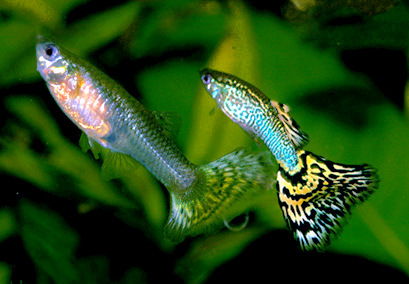
Guppies are arguably the world's most popular aquarium fish, and for good reason. They are colorful, hardy, peaceful, and breed readily. Males display vivid patterns in shades of blue, red, orange, and green, while females are larger but less colorful.
A pair of guppies (Poecilia reticulata). The more colorful male is on the right, the larger female on the left.
- Tank size: Minimum 40 liters for a small group
- Temperature: 22-28 C
- pH: 6.8-7.8
- Diet: Omnivore. Quality flake food supplemented with freeze-dried or live foods
- Compatibility: Peaceful community fish. Avoid keeping with fin-nipping species
Be aware that guppies are prolific breeders. If you keep males and females together, expect regular batches of fry. Many Czech hobbyists keep all-male tanks for color without the population explosion.
Neon Tetras (Paracheirodon innesi)
The neon tetra is a small, peaceful schooling fish known for its distinctive bright blue and red horizontal stripe. In groups of six or more, they create a mesmerizing display as they move in unison through the tank.

Neon tetra (Paracheirodon innesi). Their iridescent blue stripe makes them one of the most recognizable aquarium fish.
- Tank size: Minimum 60 liters for a school of 10
- Temperature: 20-26 C
- pH: 6.0-7.0 (slightly acidic is preferred)
- Diet: Omnivore. Micro pellets, flakes, and small live or frozen foods
- Compatibility: Excellent community fish. Keep with other small, peaceful species
Neon tetras prefer dimmer lighting and planted tanks with dark substrates that make their colors pop. They are sensitive to water quality, so ensure your tank is fully cycled before adding them.
Betta Fish (Betta splendens)
Also known as the Siamese fighting fish, bettas are admired for their extraordinary fin shapes and vibrant colors. Male bettas should never be housed together, as they will fight. However, a single male can live peacefully in a well-maintained community tank with appropriate tankmates.
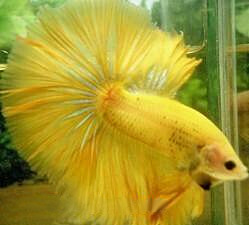
A yellow halfmoon betta (Betta splendens). These fish have been selectively bred for centuries to produce stunning fin varieties.
- Tank size: Minimum 20 liters for one betta (larger is always better)
- Temperature: 24-28 C
- pH: 6.5-7.5
- Diet: Carnivore. Betta-specific pellets, bloodworms, daphnia
- Compatibility: Can be kept with peaceful bottom-dwellers and small, non-nippy species. Avoid other bettas and fish with flowing fins
Angelfish (Pterophyllum scalare)
Angelfish are among the most elegant freshwater fish available. Their tall, laterally compressed bodies and long, flowing fins make them a centerpiece species in larger aquariums. They are originally from the Amazon basin and prefer warm, slightly acidic water.

Freshwater angelfish (Pterophyllum scalare). Their distinctive body shape and graceful movement make them a favorite among hobbyists.
- Tank size: Minimum 150 liters (they grow tall and need vertical space)
- Temperature: 24-30 C
- pH: 6.0-7.5
- Diet: Omnivore. High-quality flakes, pellets, and frozen or live foods
- Compatibility: Semi-aggressive. Keep with similarly sized fish. May eat very small species like neon tetras when fully grown
Corydoras Catfish
These small, armored catfish are the cleanup crew of the aquarium world. They spend most of their time scavenging the bottom of the tank for leftover food and debris. Corydoras are social and should be kept in groups of at least six.
- Tank size: Minimum 60 liters for a group
- Temperature: 22-26 C
- pH: 6.0-7.5
- Diet: Omnivore. Sinking pellets, algae wafers, and frozen foods
- Compatibility: Very peaceful. Ideal community fish that gets along with nearly everyone
Discus (Symphysodon)
Often called the "king of the aquarium," discus are stunning but demanding fish. They require pristine water conditions, higher temperatures, and a varied diet. Discus are best suited for experienced aquarists who can dedicate the time to their specialized care.

Blue discus (Symphysodon aequifasciata). Their disc-shaped body and rich coloring make them prized among advanced fishkeepers.
- Tank size: Minimum 250 liters for a group
- Temperature: 28-32 C (higher than most tropical fish)
- pH: 5.5-7.0
- Diet: Omnivore. High-quality prepared foods, frozen bloodworms, beef heart (in moderation)
- Compatibility: Peaceful but sensitive. Best kept with other calm species that tolerate warm water
Where to Buy Fish in the Czech Republic
Czech hobbyists have several excellent options for sourcing quality fish:
- Specialized aquarium shops in Prague (such as Akva Tera, Akvarko) tend to stock healthier fish than general pet stores
- Online marketplaces like Bazos.cz often have listings from local breeders, which is a great way to get tank-raised, acclimatized fish
- Aquarium clubs and exhibitions, such as those organized by the Czech Aquarist Union, are excellent places to meet experienced keepers and purchase quality stock
- Always quarantine new fish for at least two weeks before adding them to your main tank to prevent disease introduction